Best Batteries for Residential Solar in 2026
Wondering which solar battery is best for your California home in 2026? We compare Tesla, Enphase, Franklin, and more to help you decide.
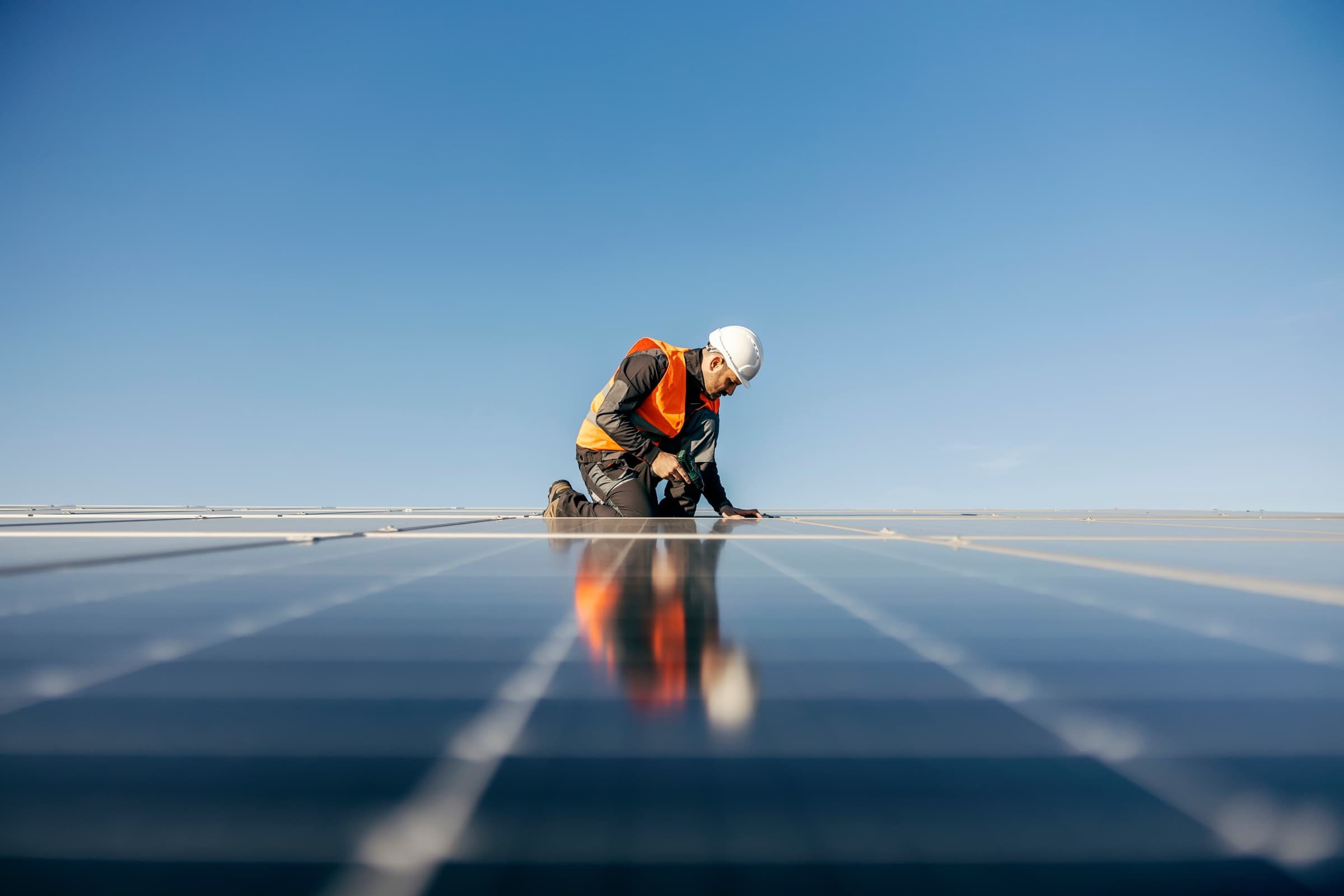
California homeowners are adding batteries to their solar systems faster than ever — and honestly, it makes total sense. With NEM 3.0 slashing the value of exported solar energy by roughly 75%, PG&E residential rates hovering around $0.45–$0.55 per kWh, and SCE and SDG&E not far behind, storing your own solar power isn't just a nice-to-have anymore. It's the math.
But walk into the battery conversation in 2026 and it can feel overwhelming. Tesla Powerwall, Enphase IQ, Franklin WholePower, Generac PWRcell… the list keeps growing. So which one is actually best for your California home? Let's break it down.
Why Batteries Matter More Than Ever in California
Let's rewind for a second. Under the old NEM 2.0 program, you could send excess solar energy back to the grid and get credited at close to retail rates. Life was good. But NEM 3.0 (technically the Net Billing Tariff), which went into effect in April 2023, changed the game dramatically. Export credits now fluctuate based on the "avoided cost calculator," and during midday hours — when your panels are cranking — those credits can drop to $0.04–$0.08 per kWh.
Meanwhile, you're buying power back from PG&E in the evening at $0.50+. That's a brutal spread.
A battery lets you store that midday surplus and use it during peak evening hours when rates are highest. Under time-of-use (TOU) plans like PG&E's E-ELEC or SCE's TOU-D-PRIME, the savings from self-consumption can genuinely cut years off your payback period. This is why nearly 80% of new California residential solar installations now include battery storage, according to the California Solar & Storage Association.
The Top Residential Solar Batteries for 2026
Here's a look at the batteries we're seeing the most demand for — and the ones that actually deliver.
Tesla Powerwall 3 — Still the name everyone knows. The Powerwall 3 packs 13.5 kWh of usable capacity and now includes an integrated solar inverter, which simplifies installation and can reduce overall system cost. It handles whole-home backup well, and Tesla's app and energy management software remain best-in-class. The catch? Availability can be inconsistent, and Tesla's customer service reputation is… let's call it "mixed." Having a good local installer matters a lot here.
Enphase IQ Battery 5P — Enphase has steadily improved its battery lineup, and the 5P is their best yet. Each unit offers 5 kWh, and you can stack up to four for 20 kWh total. The modular approach is great if you want to start small and add capacity later. It pairs naturally with Enphase microinverter systems, and the monitoring through the Enphase app is excellent. It's a particularly strong choice for smaller homes or partial-home backup setups.
Franklin WholePower (FHP-2) — This is the dark horse that keeps winning people over. Franklin's second-generation system offers 13.6 kWh per unit and is specifically designed for true whole-home backup, including 240V loads like your AC, EV charger, and electric dryer. It's one of the few batteries that can manage a 200A panel without a subpanel or load management device. For larger California homes running heat pumps and EVs, it's hard to beat.
Generac PWRcell 2 — Generac leaned into its generator heritage to build a solid battery product. The PWRcell 2 offers flexible capacity from 9 to 18 kWh and integrates well with Generac's broader home energy ecosystem. It's a strong contender, especially if storm resilience is a priority alongside solar savings.
How to Choose: Capacity, Chemistry, and Cost
Forget brand loyalty for a minute. Here's what actually matters when picking a battery:
Capacity you need. A typical California household uses 20–30 kWh per day. If you mostly want to time-shift solar to cover evening peak rates (4–9 PM under most TOU schedules), one 13–14 kWh battery often does the job. If you want true whole-home backup that rides through a PSPS shutoff — which PG&E and SCE still call regularly during fire season — consider two units or a higher-capacity system.
Round-trip efficiency. This measures how much energy you get back out of the battery versus what you put in. Most lithium iron phosphate (LFP) batteries in 2026 land between 90–96%. Higher is better. Tesla and Franklin both perform well here.
Chemistry. Nearly all top residential batteries have moved to LFP (lithium iron phosphate) chemistry, which is safer, longer-lasting, and more thermally stable than the older NMC (nickel manganese cobalt) cells. The Powerwall 3 and Franklin FHP-2 both use LFP. This matters in California's hot inland valleys where garage temperatures can spike.
Warranty. Look for at least 10 years or 70% capacity retention. Most major brands offer this. Enphase warranties 15 years, which is a nice edge.
Cost. Installed battery prices in California typically range from $10,000 to $18,000 per unit in 2026, depending on brand, capacity, and installation complexity. The federal Investment Tax Credit (ITC) still covers 30% of the cost when the battery is charged by solar, which brings the net price down significantly. The California SGIP (Self-Generation Incentive Program) may also offer additional rebates depending on your utility territory and income level — worth checking.
What About Off-Grid or Long-Duration Storage?
We get this question more and more. Some homeowners, especially in rural parts of Northern California or the inland valleys, are interested in going fully off-grid or at least having multi-day backup.
For most suburban California homes, full off-grid still doesn't pencil out. You'd need 40+ kWh of storage and an oversized solar array to reliably cover winter production dips. It's doable, but expensive.
What's more practical is a "grid-optional" setup: a solar + battery system sized to cover 90%+ of your usage, with the grid as a safety net. Two Powerwall 3s or two Franklin units (27+ kWh) paired with an 8–10 kW solar array gets most homes into this territory.
Keep an eye on longer-duration battery technologies entering the residential space, including some iron-air and sodium-ion options that are starting pilot programs. They're not ready for prime time yet, but by 2027–2028, the options could get very interesting.
Our Honest Take
There's no single "best" battery — there's only the best battery for your situation. A 1,200 sq ft condo in San Diego has very different needs than a 3,500 sq ft home in Fresno running a pool pump and two EVs.
What we can say is this: if you're installing solar in California in 2026 without at least considering a battery, you're leaving money on the table. NEM 3.0 made storage essential, not optional. The good news is the technology is better, safer, and more affordable than it's ever been.
If you're trying to figure out what makes sense for your home, the team at Alpha Solar CA can help you run the numbers — real numbers, based on your utility plan, your usage, and your roof. No pressure, no gimmicks. Just a straightforward conversation about what will actually save you money and keep your lights on when the grid gets shaky. Reach out for a free consultation whenever you're ready.