NEM 3.0 Explained: What California Homeowners Need to Know
NEM 3.0 changed solar economics in California. Learn how the new net billing tariff affects your savings with PG&E, SCE & SDG&E — and what to do about it.
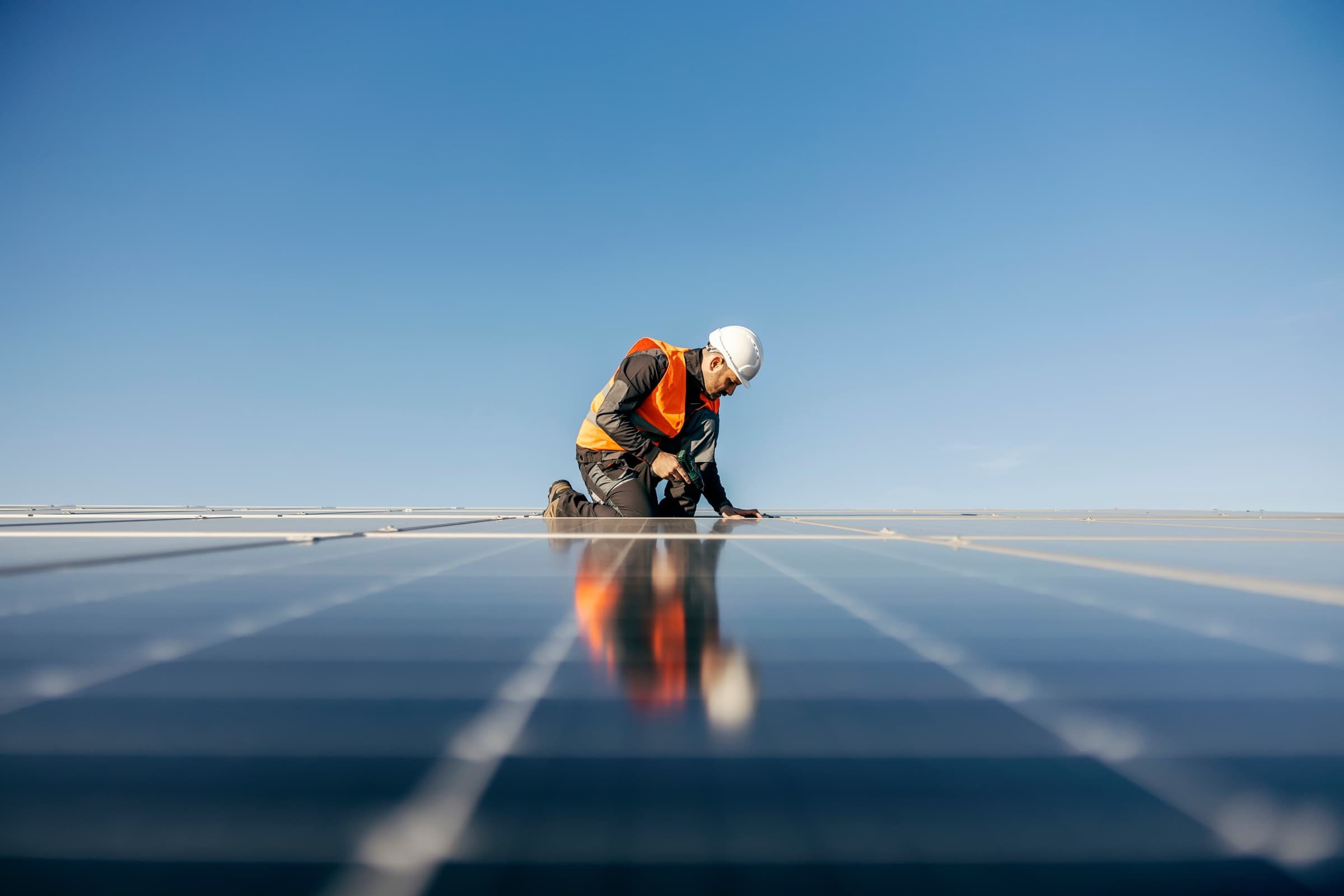
If you've been researching solar in California lately, you've probably run into the term NEM 3.0 — and maybe felt a wave of confusion, frustration, or both. You're not alone. California's new net billing structure fundamentally changed how solar homeowners get credited for the energy they send back to the grid, and the conversation around it has been messy, to say the least.
Let's cut through the noise. Here's what NEM 3.0 actually means for you, how it affects your wallet, and why going solar in California still makes a ton of financial sense — if you do it right.
What Is NEM 3.0, Exactly?
NEM 3.0 — officially called the Net Billing Tariff — went into effect on April 15, 2023, after the California Public Utilities Commission (CPUC) voted to approve it in December 2022. It replaced the previous NEM 2.0 structure that had been in place since 2017.
Under the old NEM 2.0 system, when your solar panels produced more electricity than your home used, you'd export that surplus to the grid and receive a credit roughly equal to the retail rate of electricity. If you were paying PG&E around $0.40 per kWh, you'd get close to $0.40 back for every kilowatt-hour you exported. Pretty straightforward deal.
NEM 3.0 changed that math dramatically. Export credits are now based on the "avoided cost" of energy to the utility — which is a fancy way of saying you get paid based on what it would have cost the utility to generate or buy that power at that specific time of day. In practice, that means your export credits dropped by roughly 75% on average.
Yes, you read that right. Where you might have earned $0.30–$0.40 per exported kWh under NEM 2.0, NEM 3.0 credits can be as low as $0.04–$0.08 per kWh during midday hours when solar production peaks and the grid is already flooded with renewable energy.
How NEM 3.0 Affects PG&E, SCE, and SDG&E Customers Differently
All three major California investor-owned utilities — Pacific Gas & Electric (PG&E), Southern California Edison (SCE), and San Diego Gas & Electric (SDG&E) — fall under NEM 3.0. But the impact isn't identical across the board because each utility has different rate structures and time-of-use (TOU) schedules.
SDG&E customers were arguably hit hardest because SDG&E already had some of the highest electricity rates in the nation — averaging over $0.45 per kWh in 2024. The steep drop in export credits stings more when your baseline costs are that high.
PG&E customers, paying an average of around $0.38–$0.42 per kWh depending on tier and TOU period, also feel the pinch. SCE customers fall in a similar range, with rates that climbed past $0.36 per kWh for many residential plans in 2024.
The key thing to understand is that NEM 3.0 uses "export compensation rates" that shift hour by hour. Electricity you export at 5–8 PM (when demand peaks) is worth significantly more than power you export at noon. This is based on the Avoided Cost Calculator that the CPUC publishes, and it updates annually.
Why Battery Storage Became Essential Overnight
Here's where NEM 3.0 actually reshaped the entire solar industry in California: batteries went from a nice-to-have to a near-necessity.
Think about the logic. If your export credits at midday are only $0.05 per kWh, but you're paying $0.40+ per kWh to buy electricity from the grid in the evening, the smartest move is obvious — store your excess solar energy in a battery during the day and use it yourself at night.
This is called self-consumption optimization, and it's the new name of the game under NEM 3.0. A well-sized battery system — like the Tesla Powerwall, Enphase IQ Battery, or Franklin WH — lets you capture that midday surplus and deploy it during expensive peak hours. Instead of selling low and buying high, you're keeping the value for yourself.
The economics back this up. Under NEM 3.0, a solar-plus-battery system in California typically pays for itself in 5–7 years, compared to 8–12 years for solar-only systems. That's because the battery dramatically increases the percentage of solar energy you actually use, pushing self-consumption rates from around 40–50% up to 80–90%.
Is Solar Still Worth It in California Under NEM 3.0?
Absolutely — and here's why the doom-and-gloom headlines miss the bigger picture.
California electricity rates keep climbing. PG&E alone has raised rates multiple times since NEM 3.0 took effect, and there's no sign of that slowing down. The CPUC approved additional rate increases heading into 2025. Every rate hike makes your solar panels and battery more valuable because the electricity you don't buy from the grid saves you more money.
Also, the federal Investment Tax Credit (ITC) still offers a 30% tax credit on your total solar and battery installation cost through at least 2032, thanks to the Inflation Reduction Act. On a $30,000 system, that's $9,000 back. Some California homeowners also qualify for the Self-Generation Incentive Program (SGIP), which provides additional rebates specifically for battery storage — especially for customers in fire-prone areas or on low-income assistance programs.
Let's put real numbers on it. A typical California household using 900 kWh per month on PG&E's E-TOU-C rate plan might pay $350–$400 per month. A properly designed solar-plus-storage system can reduce that bill to $10–$20 per month (the minimum connection charge). Over 25 years, that's well over $100,000 in savings, even after accounting for the system cost.
Solar didn't stop making sense. The strategy just changed.
What Happens If You Already Have Solar Under NEM 2.0?
If you went solar before April 15, 2023, and were interconnected under NEM 2.0, you're grandfathered in for 20 years from your interconnection date. That means your export credits stay at the higher retail-rate-based structure until your 20-year period expires.
This is a significant advantage, so don't take it for granted. However, if you're a NEM 2.0 customer considering adding a battery, be aware: expanding your system could potentially trigger a transition to NEM 3.0 depending on how it's structured. It's critical to work with an installer who understands the CPUC's rules around system modifications so you don't accidentally lose your NEM 2.0 status.
Making the Right Move in a NEM 3.0 World
NEM 3.0 didn't kill solar in California — it just raised the bar for system design. Cookie-cutter installations that slap panels on a roof without considering battery storage, TOU rate optimization, or your household's actual consumption patterns won't cut it anymore.
What you need is an installer who designs around your usage, your utility, and your rate plan — not a one-size-fits-all approach.
That's exactly how we approach every project at Alpha Solar CA. We're a California-based solar installation company that's been helping homeowners navigate the shifting solar landscape, and we design every system with NEM 3.0 economics baked in from day one. Whether you're on PG&E, SCE, or SDG&E, we'll show you exactly what your savings look like with a system tailored to your home.
If you've been on the fence about solar, the best time to move is before the next rate hike makes your utility bill even harder to stomach. Reach out to Alpha Solar CA for a free consultation — no pressure, just honest numbers and a system that actually works for your household.