How Long Does Solar Installation Take in California? A Complete 2026 Timeline
From consultation to Permission to Operate — here's the real timeline for solar installation in California in 2026, broken down step by step.
One of the first questions homeowners ask before going solar is: how long is this actually going to take? The answer has two parts — the physical installation (fast) and the full process from contract to activation (longer, but totally manageable with the right company).
The short answer
Most solar installations in California take 3 to 6 months from contract signing to the day your system goes live and starts generating electricity.
The panels themselves typically go up in one to three days. Everything else — design, permitting, inspections, and utility approval — is where the calendar stretches.
Phase 1: Consultation and system design (1–2 weeks)
Your installer visits your home, assesses your roof, reviews your utility bills, and designs a custom system based on your energy usage, goals, and roof layout. A well-organized company completes this phase within one to two weeks.
Phase 2: Permitting (2–8 weeks)
This is the most variable phase of the process. Every city and county in California has its own building department with its own timelines and requirements. Some jurisdictions use streamlined online permitting systems that approve applications in days. Others require full plan reviews, structural calculations, and multiple correction rounds that can take six to eight weeks.
California's AB 2188 mandated a standardized, simplified permitting procedure for residential rooftop solar statewide, which has helped reduce wait times in many areas — but implementation varies significantly by municipality.
Phase 3: Physical installation (1–3 days)
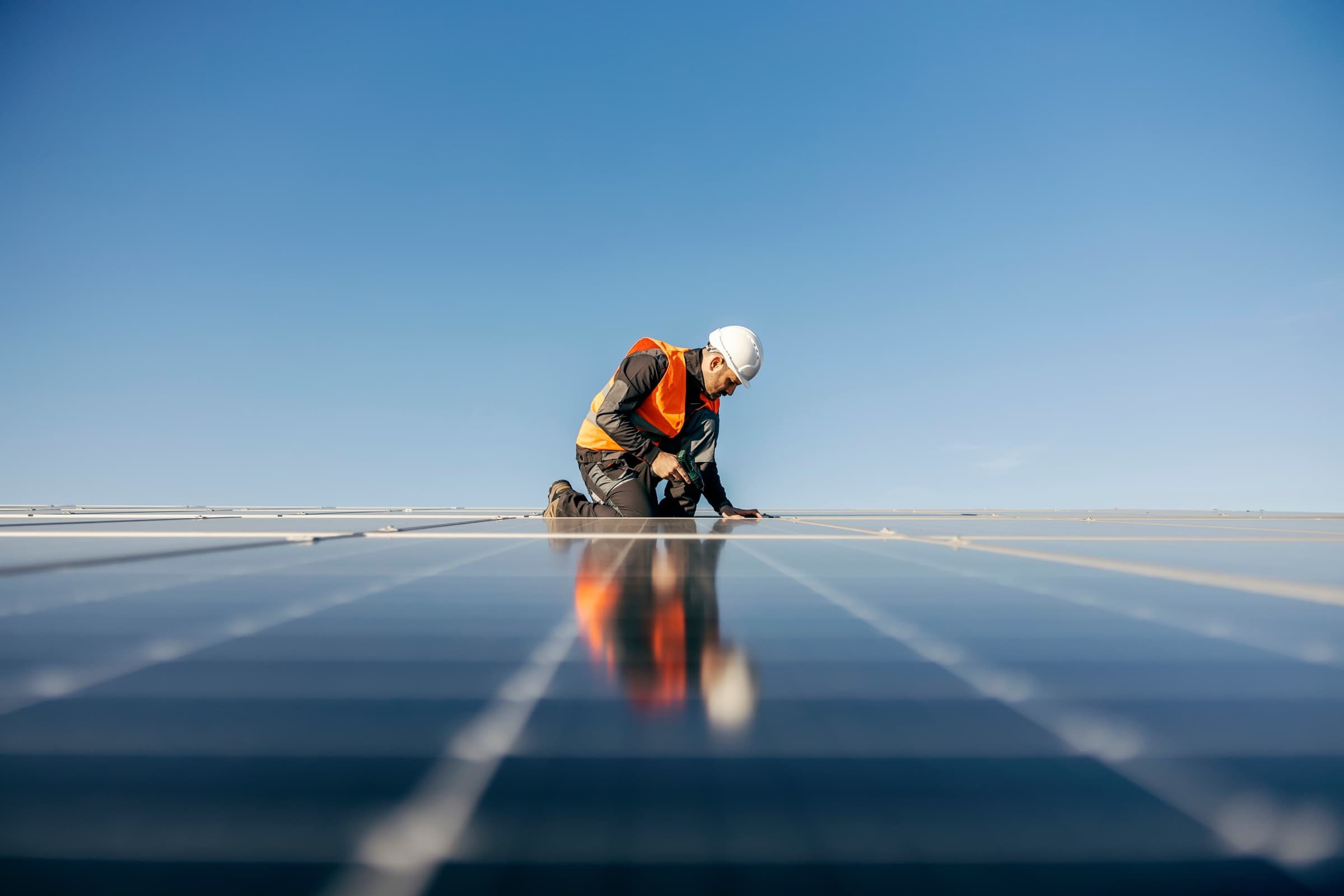
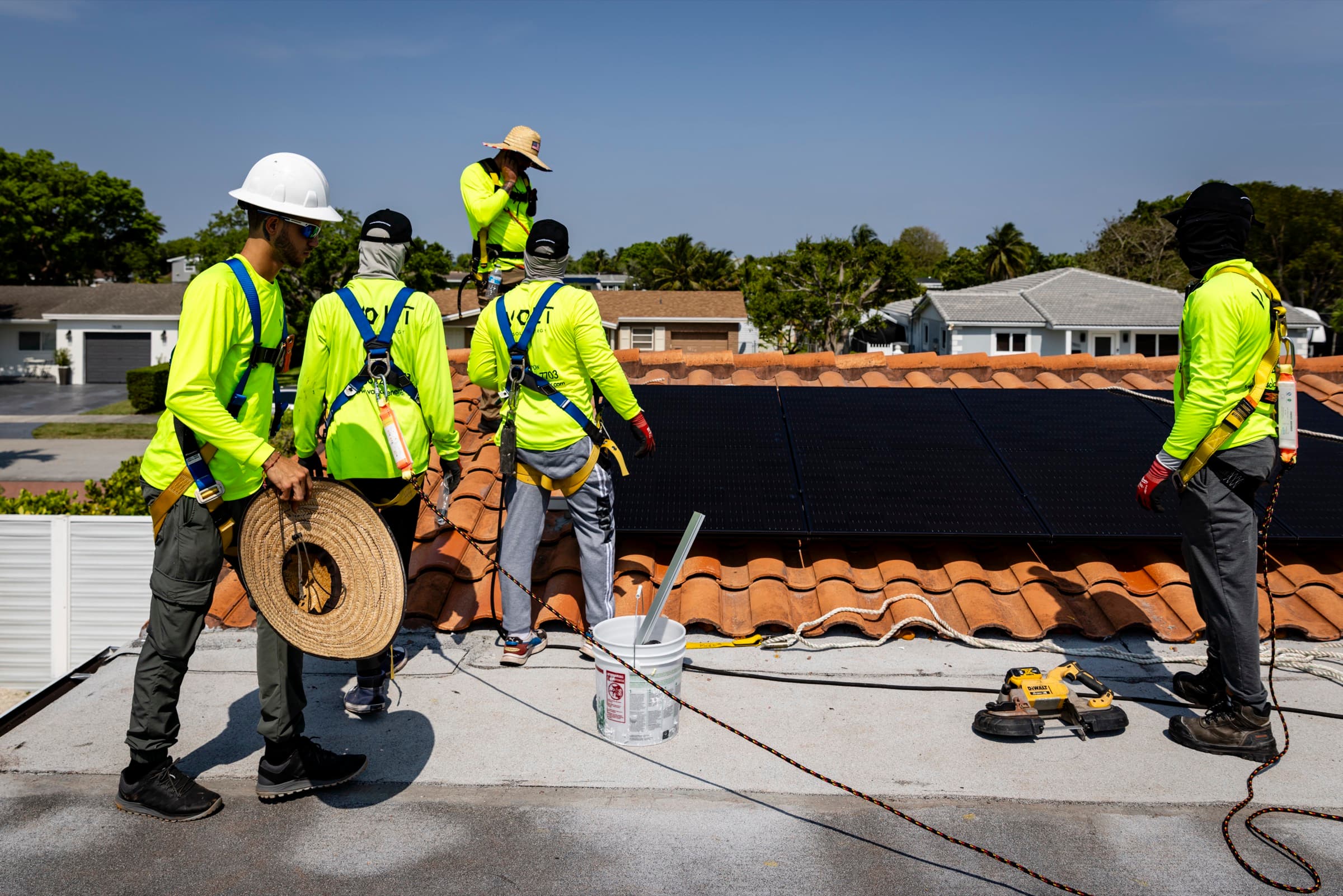
Once permits are approved and equipment arrives, the actual roof installation is the quickest part of the entire process. For most residential systems, a professional crew completes the physical installation in one to three days depending on system size, roof complexity, and whether battery storage is included.
Phase 4: Inspection and utility approval (2–6 weeks)
After installation, your local building department inspects the system for code compliance. This typically happens within one to two weeks of scheduling and most systems pass on the first inspection.
The final step is utility interconnection review and Permission to Operate (PTO). SCE's official timeline is 15 business days, but real-world average performance runs three to four weeks — and during peak solar season, some homeowners wait six weeks or longer before their system is authorized to operate.
What causes delays?
The most common causes of extended timelines are permitting backlogs at busy municipal building departments, equipment lead times during peak seasons, and utility interconnection queues. Complex systems with battery storage, older electrical panels, or HOA requirements can also add time.
How to move faster
Work with a company that manages all permitting in-house and has established relationships with local building departments. Ensure your roof is in good condition before signing a contract. Respond quickly to any documentation requests. And if your timeline is urgent, ask your installer which jurisdictions in your area tend to move fastest.
Alpha Solar CA manages the entire process from contract to activation — handling design, permitting, installation, inspection, and utility coordination — so you spend zero time chasing paperwork and your system goes live as fast as possible.
Get your free consultation today and we'll give you a realistic timeline specific to your city and utility provider.